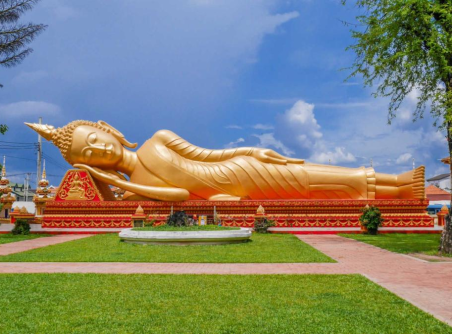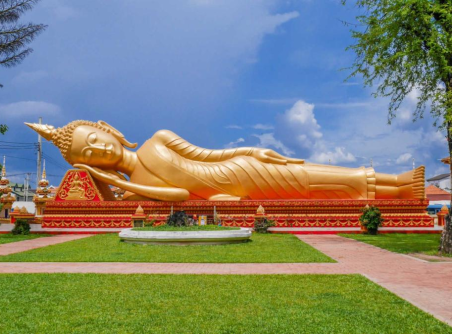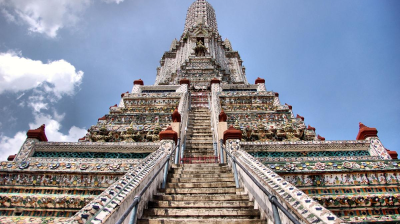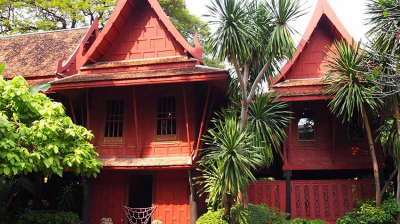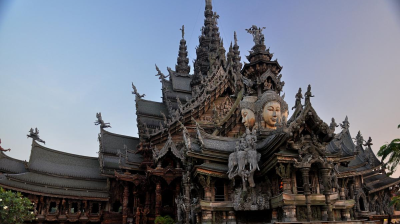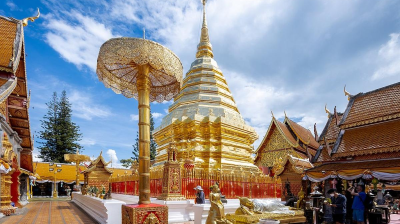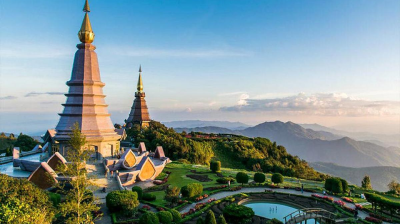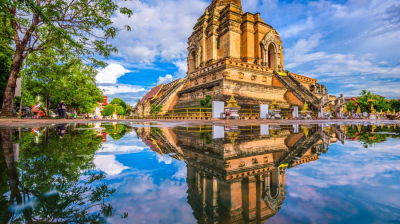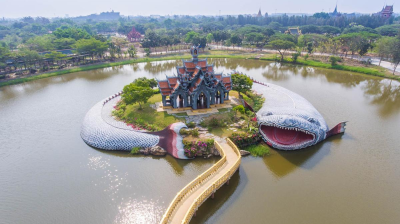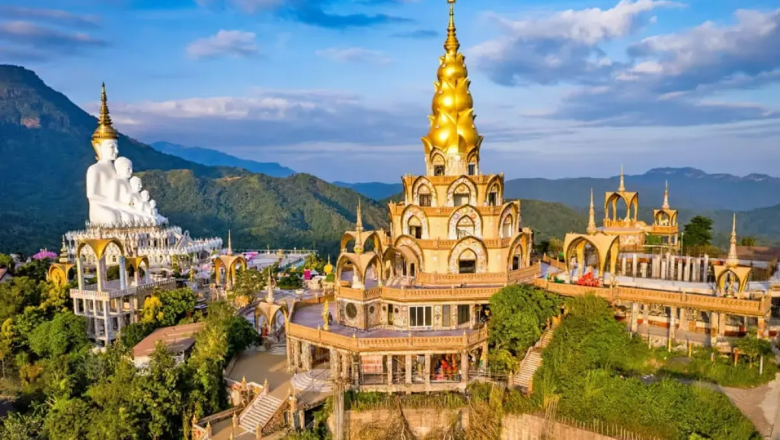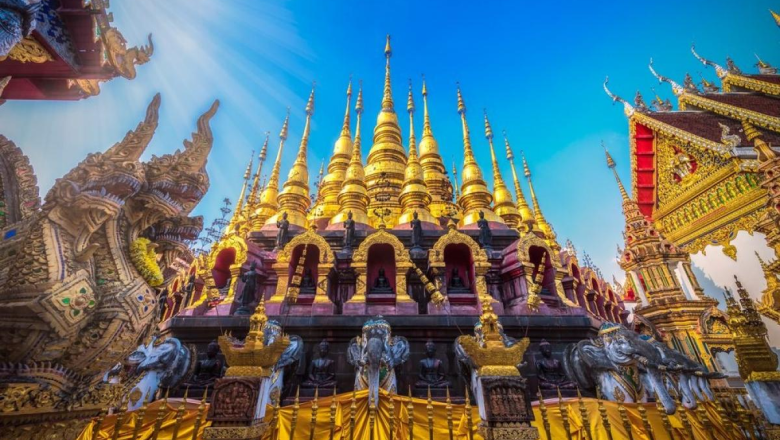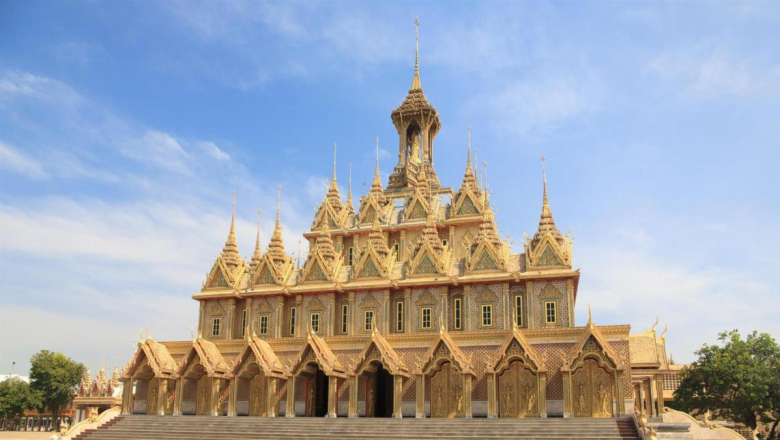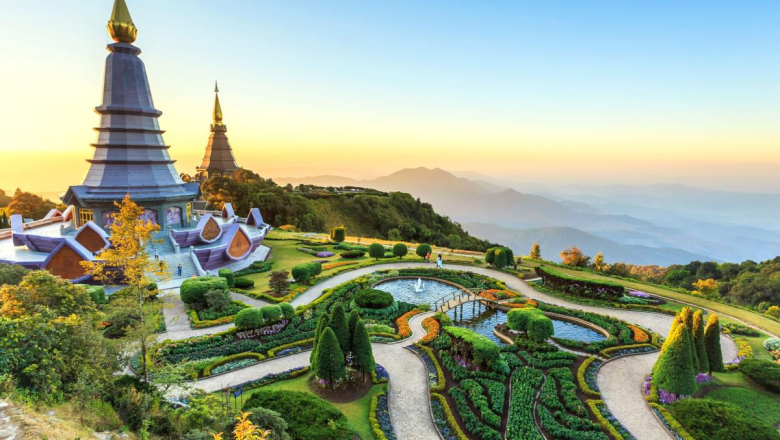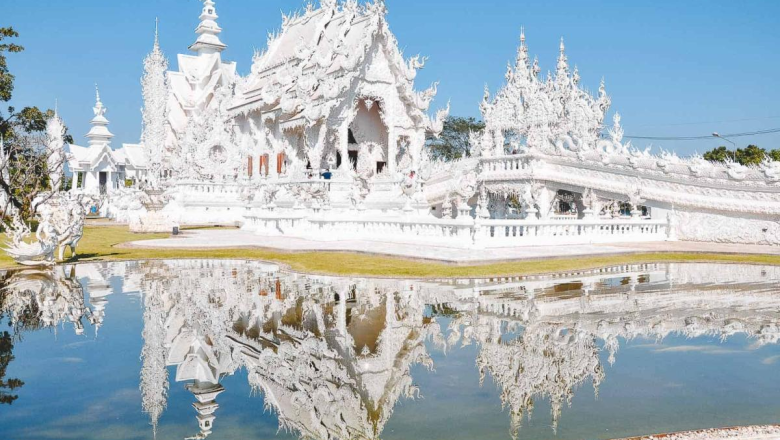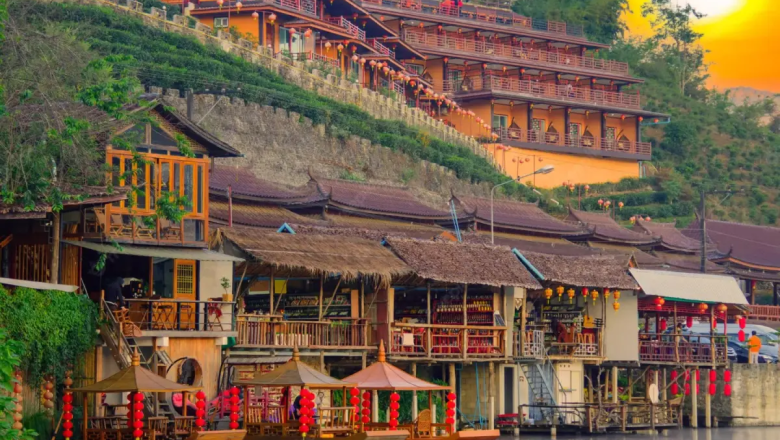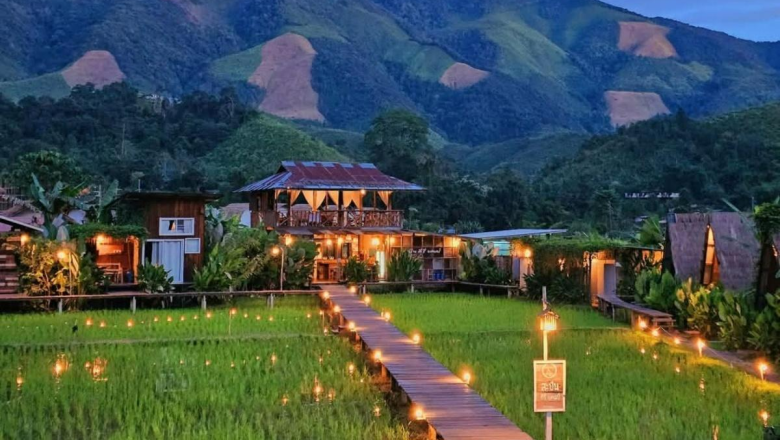
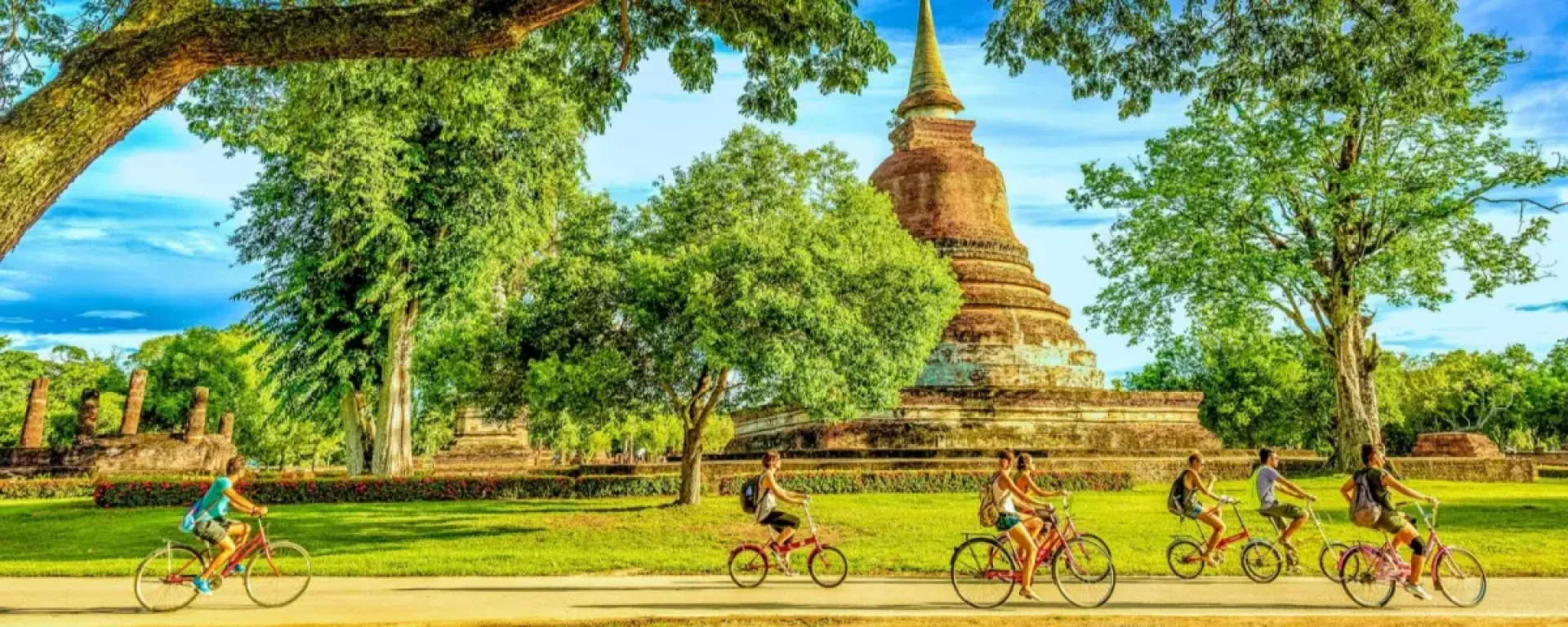
Located in northern Thailand, halfway between Bangkok and Chiang Mai, Sukhothai is widely regarded as the birthplace of Thai civilization. Known for its UNESCO-listed historical park with nearly 200 ancient temple ruins, the city offers a rare glimpse into the origins of Thai art, language, and culture. Discover Sukhothai with Thai Unika Travel.
Why is Sukhothai special?
Located in northern Sukhothai, Sukhothai sits in a peaceful lowland area surrounded by mountains. Its smaller scale and open landscape give it a calm, spacious feel, very different from Thailand’s busy urban centers.
Sukhothai is considered the birthplace of Thai culture, where the foundation of Thai identity took shape in the 13th and 14th centuries. During this time, the kingdom developed its own language, artistic style, and political structure, many of which still influence Thailand today.
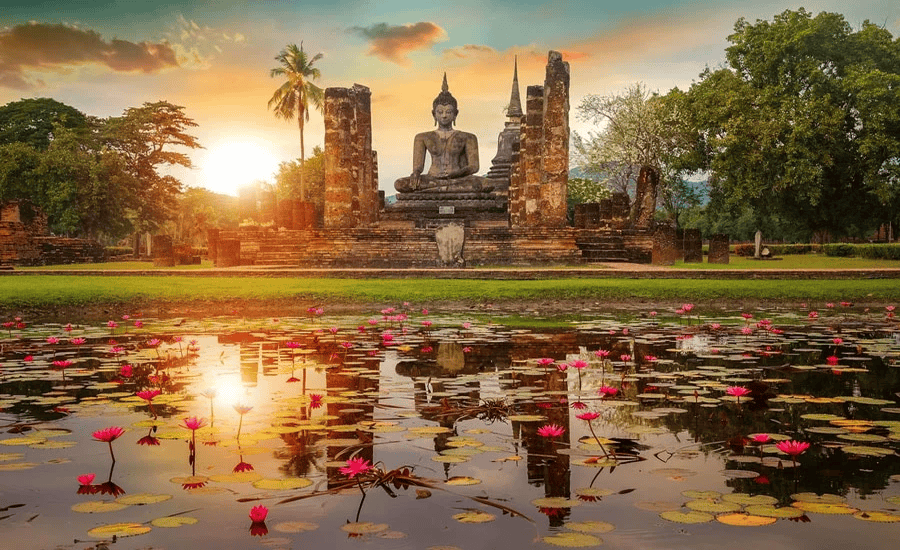
Sukhothai witnessed important moments in the development of Thai culture
As a UNESCO World Heritage site, Sukhothai Historical Park preserves nearly 200 temple ruins spread across a vast area, reflecting the sophistication of early Thai urban planning. Before becoming a Thai cultural center, Sukhothai was influenced by the Khmer Empire. Its early city planning, temples, and water systems show a lot of similarities to Angkor Wat.
Although Sukhothai flourished for less than 200 years, its impact was long-lasting. By the 19th century, it had become a powerful cultural symbol of Thai art, language, and political identity and continued to hold a central place in the country’s historical consciousness.
Top Attractions in Sukhothai
Sukhothai Historical Park
Spanning over 70 square kilometers, Sukhothai Historical Park is among the top attractions in Sukhothai and a UNESCO World Heritage Site. It preserves nearly 200 temple ruins from the 13th and 14th centuries, when Sukhothai was the first capital of Thailand and a center of early Thai civilization.
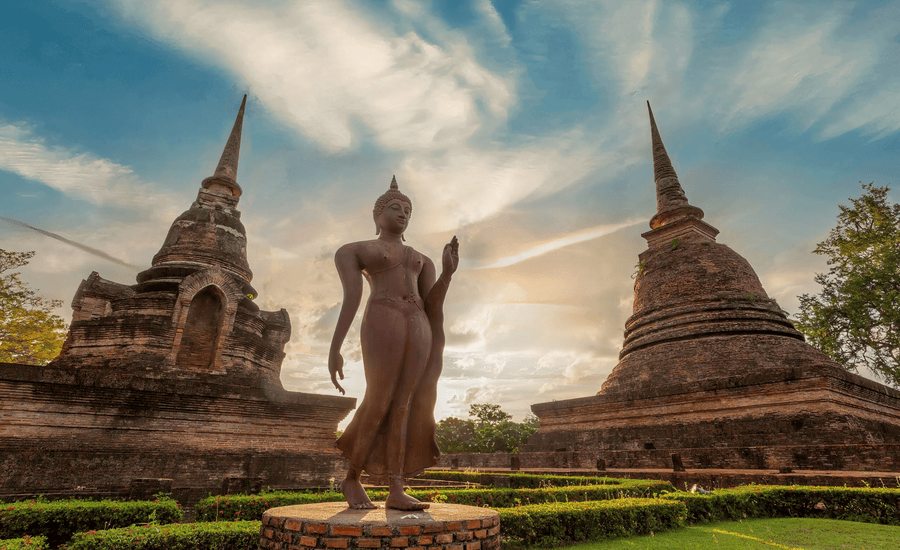
A Walking Buddha in Wat Sa Si temple, Sukhothai Historical Park
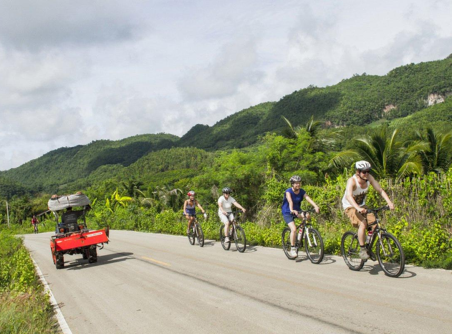
The park is divided into several zones, with ancient walls, moats, and reservoirs showing advanced city planning for its time. The best way to explore is by bicycle because it allows you to move between temples at your own pace while enjoying the wide, open landscape and peaceful atmosphere here.
Wat Si Chum
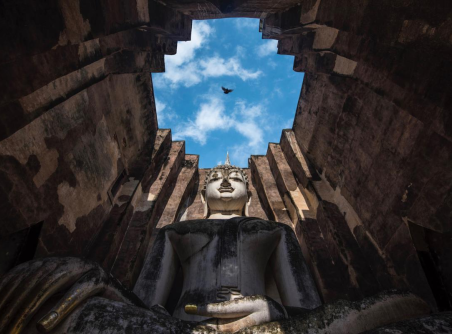
Wat Si Chum is one of the most iconic temples in Sukhothai and is widely known for its massive seated Buddha image, Phra Achana, which stands about 15 meters tall. The statue is hidden within a tall, narrow structure, which creates a striking visual effect as you slowly approach it.
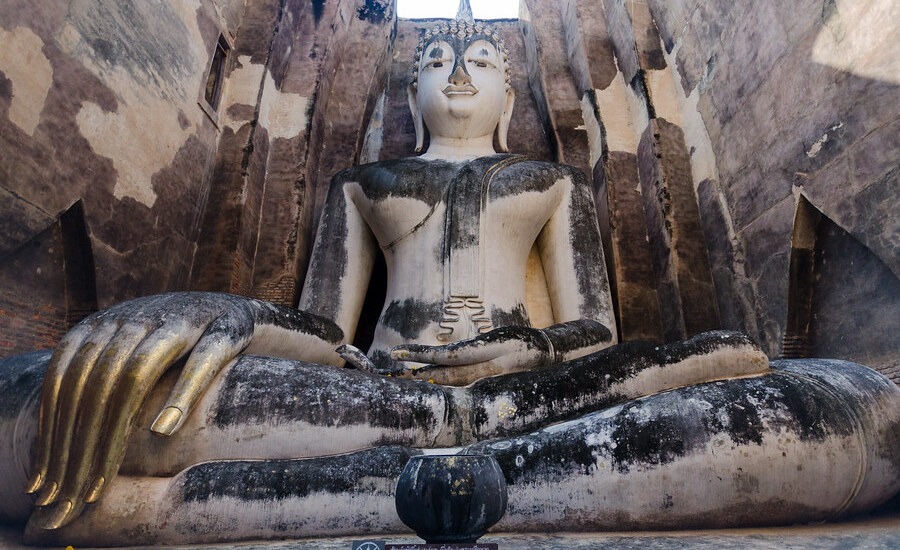 The Phra Achana Buddha statue inside the Wat Si Chum, Sukhothai Historical Park
Built in the 13th century, the temple likely held religious and symbolic importance for the kingdom. Its simple yet powerful design, combined with the scale of the Buddha, makes it one of the most memorable and photographed sites in the area.
Discover more beautiful Buddha statues in Thailand here: Top 5+ Most Stunning Buddha Statues in Thailand
Si Satchanalai Historical Park
Located around 55 km from Sukhothai, Si Satchanalai was once an important sister city of the kingdom. Today, it is part of the same UNESCO listing and features dozens of well-preserved temple ruins spread across a large, forested area. Many structures here show different architectural influences like Sri Lankan-style bell-shaped chedis, which reflect the spread of Buddhist ideas across the region.
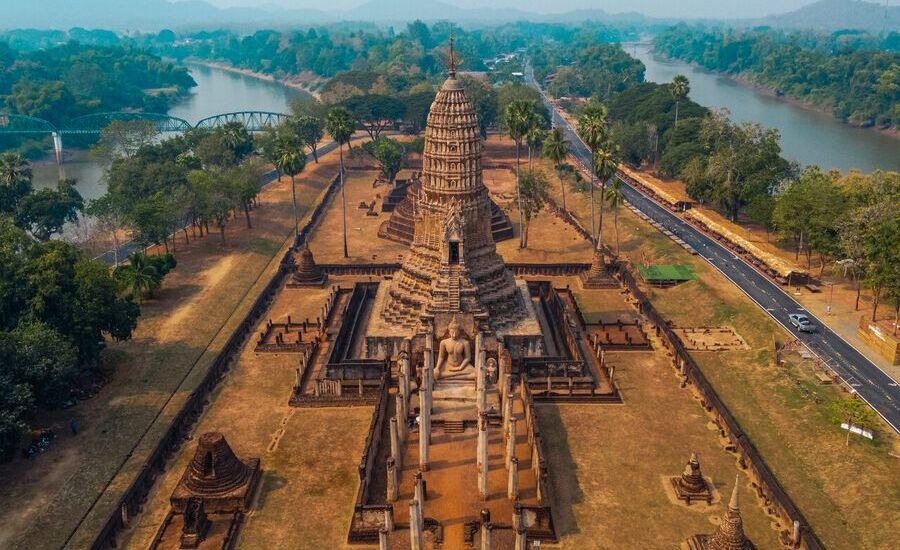
Si Satchanalai’s temple ruins hidden in the forest's calm
Because it receives fewer visitors, the atmosphere is raw, more peaceful, and immersive. It’s a good choice if you want to explore historical sites at your own pace without crowds while still seeing structures from the same period as Sukhothai.
Wat Mahathat
Wat Mahathat is the most important temple within Sukhothai Historical Park and was built in the 13th century as the spiritual center of the kingdom. It was closely linked to royal ceremonies and played a key role in both religious and political life.
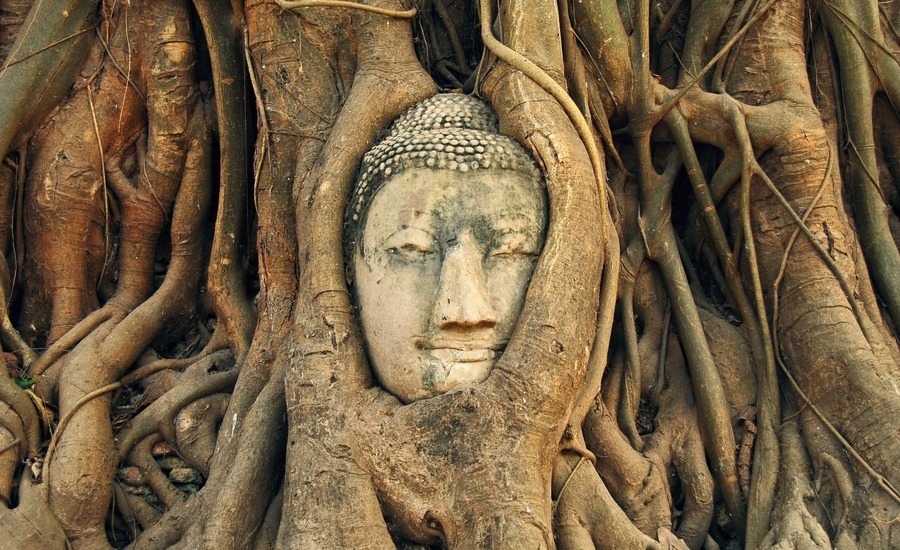
The Buddha head statue leaves a haunting impact on any tourist coming to Wat Mahathat
Because of its central position and scale, this is often the first stop for visitors. It’s also one of the best places to understand how religion, art, and urban planning came together during the height of the Sukhothai Kingdom.
Boon Lott’s Elephant Sanctuary
Boon Lott’s Elephant Sanctuary offers a different kind of experience compared to historical sites. It was created as a rescue center for elephants that were previously used in logging or tourism and now focuses on long-term care and ethical treatment.
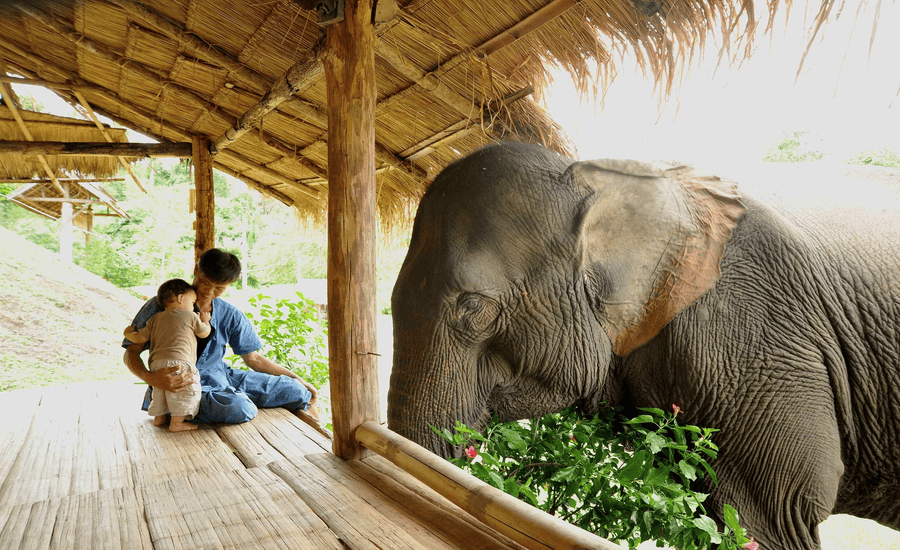
A quiet moment where elephants and people share space with care
Visitors do not ride or interact with the elephants in forced ways. Instead, the experience is about observing them in a natural environment, learning their individual stories, and understanding the challenges of elephant conservation in Thailand. The sanctuary is more than just a tourist activity because it adds depth to your trip by connecting culture with responsibility.
You may like it: Northern Thailand Adventure 11 Days
Food in Sukhothai
Sukhothai Noodles
A signature of Sukhothai, this dish combines pork, peanuts, and fresh herbs in a light broth or dry mix. Its flavor is well-balanced, slightly sweet and savory, which reflects the local preference for harmony rather than intensity. It’s commonly found at street stalls around the historical park.
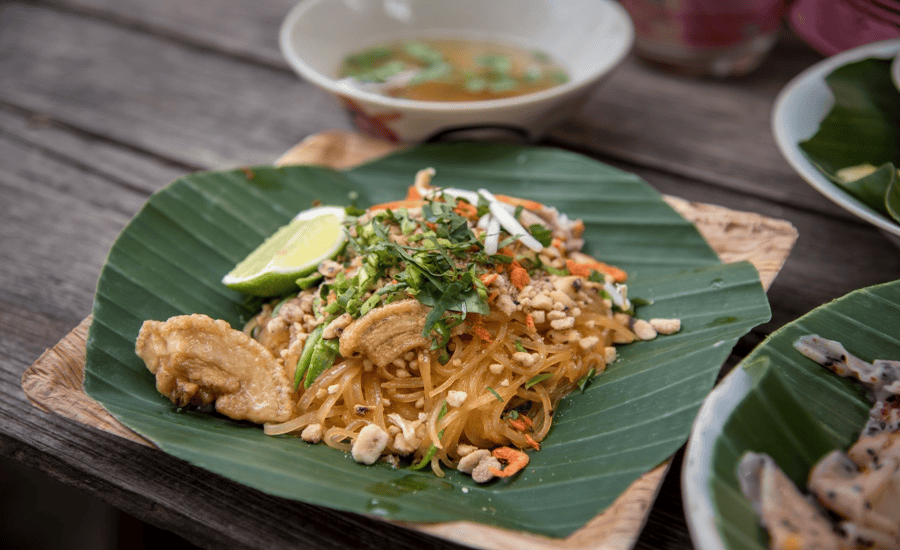
Sukhothai noodles are an unmissable dish to try for tourists
Khao Kluk Kapi
In contrast, Khao Kluk Kapi brings a much bolder profile, with shrimp paste mixed into rice and served alongside pork and fresh ingredients. The aroma is strong, and the taste is deep and savory, balanced by hints of sourness. It represents a more traditional Thai palate, often enjoyed as a hearty local meal.
Khao Perp
For something lighter, Khao Perp offers a softer and more delicate experience. Made with thin rice sheets filled with minced pork and herbs, it has a clean, comforting taste. This dish reflects the simplicity of Sukhothai’s cuisine, where subtle flavors and texture play a key role.
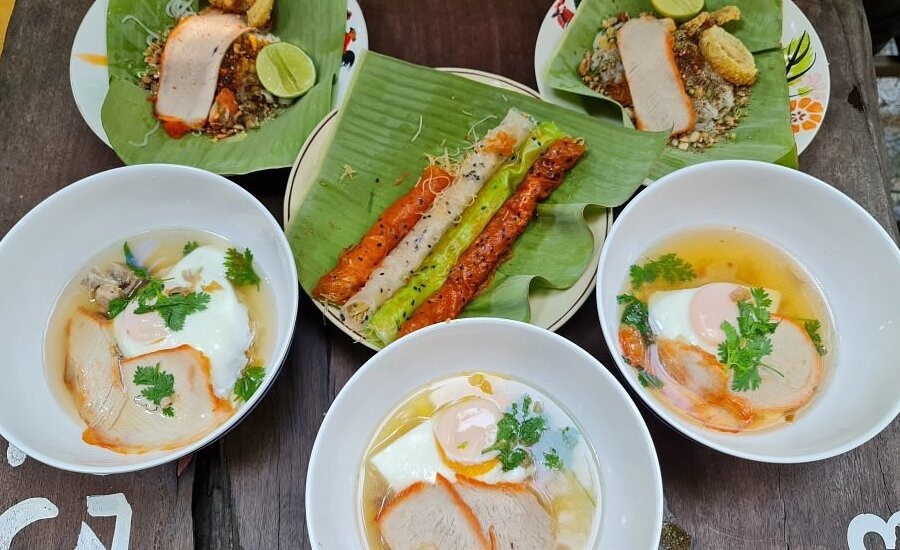
Light, local, and easy to eat, Khao Perp is Sukhothai’s hidden dish
Khao Neaw Daeng
To end on a sweeter note, Khao Neaw Daeng uses red sticky rice paired with coconut milk for a mild, natural sweetness. The texture is slightly chewy, and the flavor is gentle rather than rich. It reflects the traditional style of Thai desserts, which tend to be less sugary and more grounded in everyday ingredients.
Get to know more about Thai cuisine here: National dish of Thailand: Pad Thai
What is the best time to visit Sukhothai?
The best time to visit Sukhothai is from November to February, when the weather is cooler and drier, with temperatures from around 20°C to 30°C. This is the most comfortable time to explore the vast Sukhothai Historical Park, especially if you plan to cycle between sites.
From March to May, temperatures can rise above 35°C, so it may not be ideal for outdoor exploration. The rainy season from June to October brings frequent showers but also fewer crowds and greener landscapes, which can offer a quieter and more atmospheric experience.
How to get to Sukhothai?
By Air
The nearest airport is Sukhothai Airport, with direct flights from Bangkok taking about 1 to 1.5 hours. From the airport, it’s around 40 minutes to reach the city or the historical park by taxi or transfer.
By Bus
Buses run regularly from Bangkok and nearby cities like Chiang Mai and Phitsanulok. The journey from Bangkok takes around 7 to 8 hours, and it is a popular and budget-friendly option.
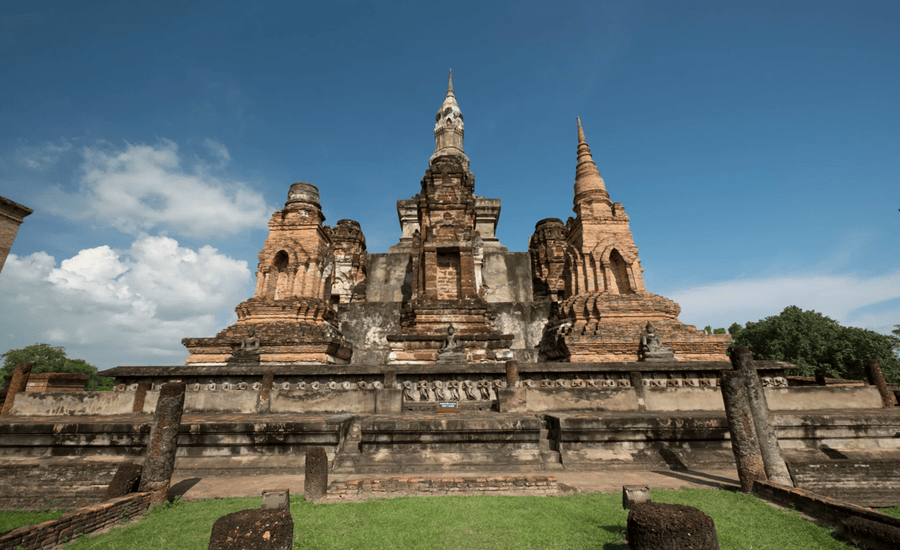
Sukhothai is accessible by many modes of transport
By Train
There is no direct train to Sukhothai. The nearest station is in Phitsanulok, about 60 km away. From there, you can take a bus or taxi to reach Sukhothai in approximately 1 hour.
By Car
Sukhothai is about 430 km from Bangkok, with a driving time of around 6 to 7 hours. The route is relatively straightforward and passes through central Thailand’s plain; therefore, it is a flexible option if you plan to explore multiple destinations.
Travelling Costs in Sukhothai
Accommodation
Sukhothai offers some of the most affordable stays in northern Thailand compared to other more popular destinations.
- Budget guesthouses, basic stays: 300-700 THB (~8-20 USD) per person
- Mid-range hotels: 800-1,800 THB (~22-50 USD) per person
- Luxury boutiques/resorts: 2,000-4,000+ THB (~55-110 USD) per person
Transportation
Getting around is inexpensive, with bicycles being the most popular way to explore the historical park, while motorbikes and tuk-tuks offer more flexibility.
- Bicycle rental: 50-120 THB/day (~1.5-3 USD)
- Motorbike rental: 150-300 THB/day (~4-9 USD)
- Local transport: 30-200 THB (~1-6 USD)
Food
Food in Sukhothai is both affordable and authentic, with local dishes widely available at markets and small eateries.
- Street food/local eats: 40-80 THB (~1-2 USD) per dish
- Casual restaurants: 80-180 THB (~2-5 USD) per meal
- Mid-range dining: 200-500 THB (~6-14 USD) per meal
Entrance Fees
Sukhothai is ideal for low-cost cultural exploration because the majority of historical attractions are inexpensive.
- Historical Park zones: ~100 THB (~3 USD) per zone
- Museums & sites: 100-200 THB (~3-6 USD)
- Other activities: 200-800 THB (~6-22 USD) depending on tours
FAQs about Sukhothai
Is Sukhothai safe for tourists?
Yes, Sukhothai is considered very safe, with a relaxed atmosphere and low crime rates. The area around the historical park is especially calm, so it is extremely suitable for solo travelers and cyclists.
How long should a trip in Sukhothai be?
A 2-3 day stay is ideal to explore the historical park at a comfortable pace. You can also combine Sukhothai with nearby destinations like Phitsanulok to make the most of your journey in northern Thailand.
What to pack for Sukhothai?
Bring light, breathable clothing for the heat, comfortable shoes for walking or cycling, and modest outfits for temple visits. Sunscreen, a hat, and water are essential due to long hours outdoors.
Are there ATMs and WiFi in Sukhothai?
Yes, ATMs are easy to find in both New Sukhothai and near the historical park, and most hotels and cafés offer WiFi. However, it’s still recommended to carry some cash, especially for small purchases, local markets, and transport.
Conclusion
If you are planning a journey through northern Thailand or looking for a cultural stop between Bangkok and Chiang Mai, Sukhothai is a destination worth exploring. As the birthplace of Thai civilization, it offers travelers a deeper and more meaningful understanding of the country’s history beyond the usual tourist routes.
You can explore Thailand tour packages designed by Thai Unika Travel and find your perfect personalized itinerary that includes Sukhothai and other incredible destinations
Uncover your perfect Northern Thailand trip here: Thailand Adventure 12 Days 11 Nights