Korat, officially known as Nakhon Ratchasima, lies around 260 kilometres northeast of Bangkok and serves as a gateway to Thailand’s lower northeastern region. The area brings together a historic city centre, agricultural plains and forested landscapes towards Khao Yai. Travellers can explore Khmer heritage at Phimai, visit historic sites around the old city, try local Pad Mee Korat and continue into the surrounding countryside for a different side of northeastern Thailand.
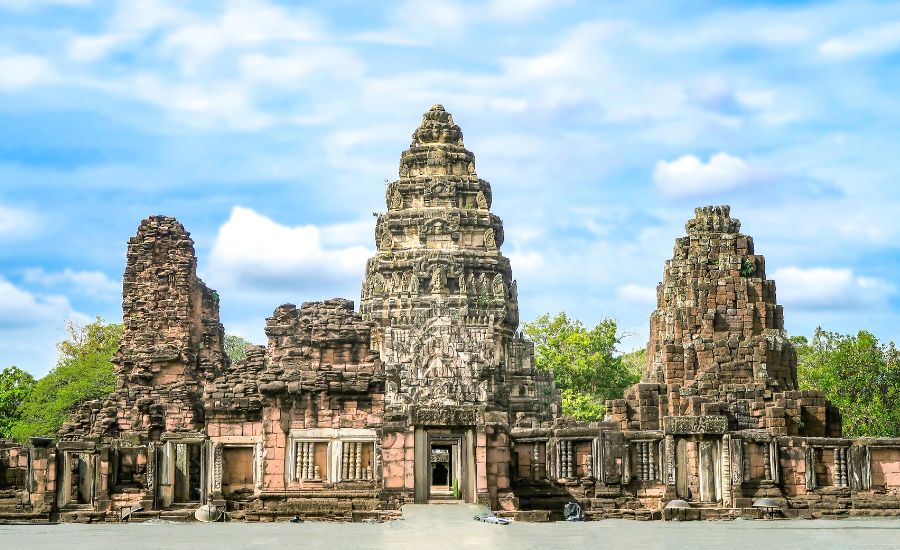
Ancient Khmer temple ruins in Nakhon Ratchasima (Korat)
Korat is a good place to slow down and explore a different side of Thailand beyond Bangkok. Spend a morning around the old city, head to Phimai for its Khmer ruins, then leave the city behind for the forests and waterfalls of Khao Yai. There is also time for local dishes such as Pad Mee Korat along the way.
Planning a wider trip around Thailand? Our Thailand Travel Guide covers the essentials for building your itinerary.
History of Korat
Korat’s history is closely tied to its position between central Thailand and Isan. Earlier settlements in the area were influenced by both Dvaravati and Khmer cultures before the modern city developed during the Ayutthaya period. The story most visitors encounter today is that of Khunying Mo, remembered locally as Thao Suranari, whose role in the 1826 conflict remains part of Korat’s identity.
Korat later became an important strategic centre connecting central Thailand with the northeastern region. In 1826, Chao Anouvong of Vientiane led an attack on Nakhon Ratchasima. Khunying Mo became associated with the local resistance and was later given the title Thao Suranari by King Rama III. Today, her monument stands in the centre of Korat and remains closely connected with the city’s history and identity.
The Best Time to Visit Korat
Cool Season: November to February
Cooler mornings and lower rainfall make this a comfortable time to explore the old city and visit Phimai Historical Park. It is also a good period for spending a day in Khao Yai, especially if you plan to walk its trails.
Hot Season: March to April
March and April are the hottest months, so plan outdoor visits for the morning and take a break during the hottest part of the day. The annual Thao Suranari celebration also takes place from late March into early April, so check the confirmed programme before travelling.
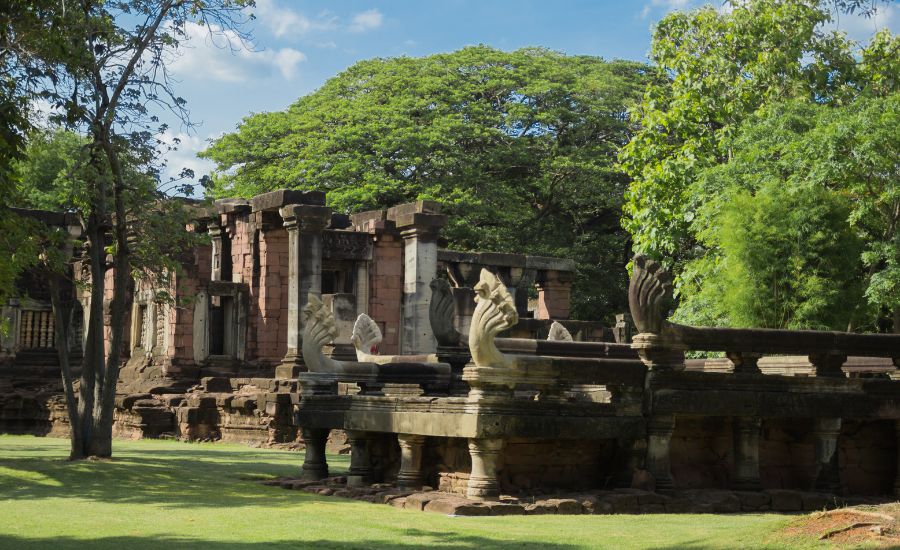
Stone entrance and structures of a historical Khmer sanctuary in Korat
Rainy Season: May to October
Rain is more frequent during these months, particularly in August and September, and trails around Khao Yai can become muddy after heavy showers. The forests are greener during this period, while waterfalls can be more impressive after rainfall.
How Do You Get to Korat?
Korat is around 260 kilometres from Bangkok, with road travel usually taking about three to four hours depending on traffic. Driving is the most flexible choice if you want to combine the city with places such as Phimai or Khao Yai, as these attractions are spread across different areas.
Trains also connect Bangkok with Nakhon Ratchasima, while long-distance buses provide another straightforward option. Once in Korat, local transport is sufficient for getting around the city centre. For day trips outside the city, however, having a car or arranging a private transfer makes the journey easier.
If you plan to visit both Phimai and Khao Yai, check their locations before deciding where to stay. They are in different directions from central Korat, so trying to fit both into a single day can leave you spending more time on the road than exploring the sites.
Top Attractions of Korat
Thao Suranari Monument and the Old City
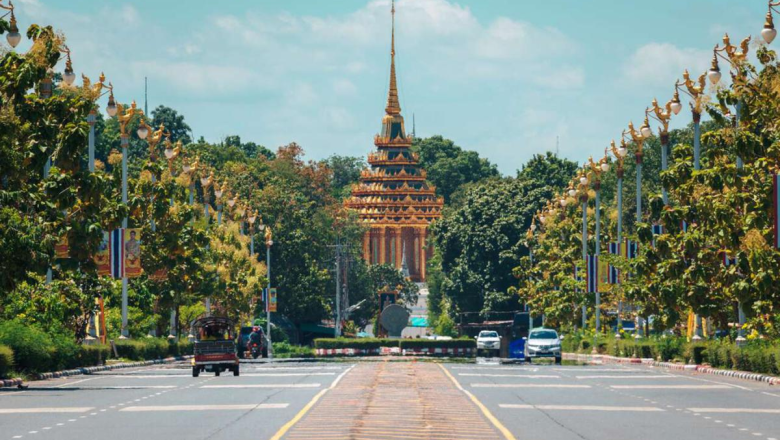
The Thao Suranari Monument is one of the most recognisable landmarks in central Korat. Built in 1934, it commemorates Thao Suranari, also known as Khunying Mo, who is remembered for her role in the 1826 conflict. The monument remains an important part of the city's local identity.
.jpg)
The Thao Suranari (Khunying Mo) Monument in central Korat city
The monument is also a convenient starting point for exploring the old city on foot. From here, you can continue through the surrounding streets, stopping at local shops, food stalls and cafés along the way. An early morning visit is preferable, particularly during the hotter months, when walking around the centre becomes less comfortable later in the day.
Phimai Historical Park
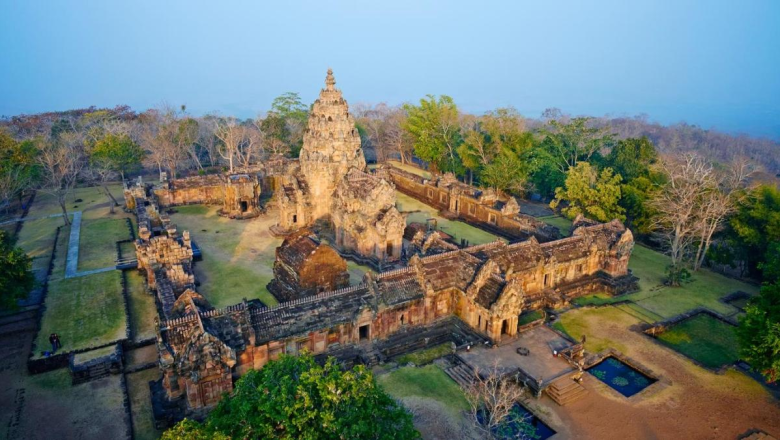
Around 60 kilometres northeast of Korat city, Phimai Historical Park is the main place to see the region's Khmer heritage. The complex contains sandstone towers, stone gateways, galleries and carved details from the period of Khmer influence. Its architecture also reflects the historical connection between Phimai and the wider Khmer world.
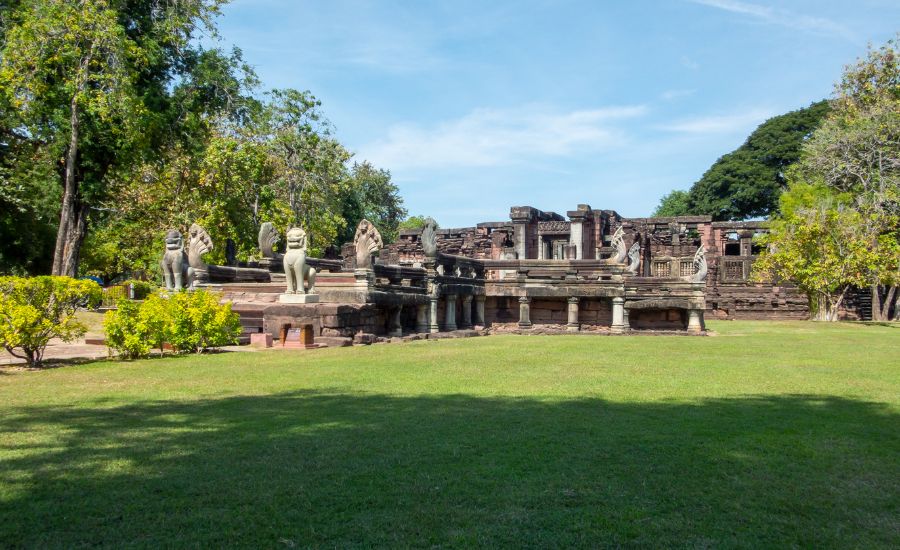
Overview of the sandstone structures at Phimai Historical Park
Allow around two to three hours to walk through the main complex rather than stopping only at the central tower. Much of the site is exposed to the sun, so an early visit is more comfortable. Bring drinking water, sun protection and a hat if you are visiting during the hotter part of the year.
Khao Yai National Park
Khao Yai provides a completely different experience from the historic sites in Korat. The park covers large areas of forest and mountain landscape, with walking trails, waterfalls and opportunities to see wildlife along the way.
The Pak Chong side is convenient when approaching from Korat, but a visit here needs more time than a stop in the city. Set aside at least a full day if you want to go beyond the main viewpoints. After rain, some trails can be wet or slippery, so wear suitable walking shoes and stay on marked routes when exploring the park.
Explore Khao Yai National Park on the 6-day Isaan tour with Thai Unika.
Wat Sala Loi
Wat Sala Loi is a historic temple near Korat’s old city moat, built in 1827 by Thao Suranari and her husband. The temple is known for its distinctive ordination hall, designed in the shape of a Chinese junk riding on waves and decorated with Dan Kwian clay tiles.
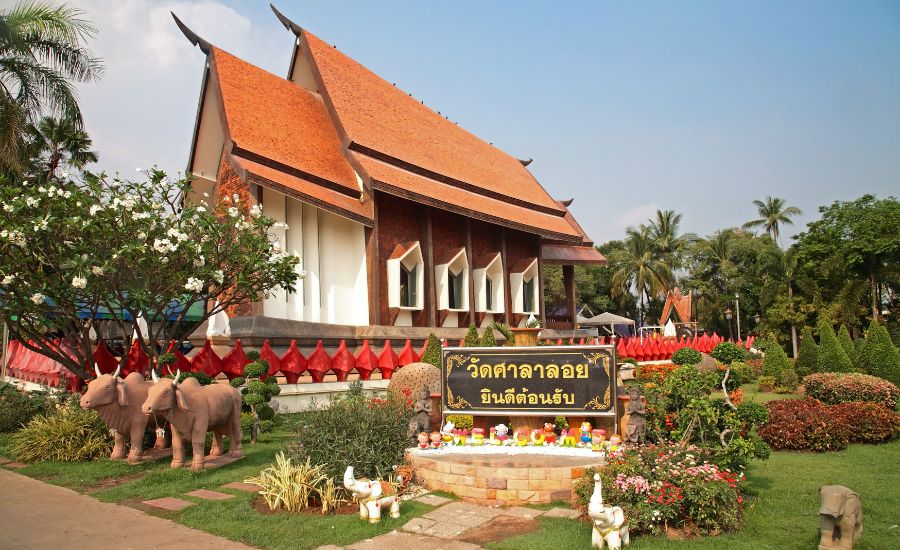
The Chinese junk-shaped main ordination hall at Wat Sala Loi temple
Inside the temple grounds, visitors can take a closer look at the unusual architecture and Buddhist details. Its location also makes it easy to combine with other sights around the old city, without needing much extra time for the visit.
Khorat Fossil Museum
The Khorat Fossil Museum explores the prehistoric history of Nakhon Ratchasima through collections of petrified wood, dinosaur fossils and other remains. The exhibits offer a look at a side of the region that is quite different from its temples and Khmer-era sites.
Visitors can spend time exploring the fossil displays and learning about the geological changes that shaped the area. As an indoor attraction, the museum can also fit naturally into a Korat itinerary during a hot afternoon or between visits to outdoor sites.
Explore more: 5 Festivals in Thailand you should experience once in your life
What Local Food Should You Try in Korat?
Pad Mee Korat
Pad Mee Korat is the dish most closely associated with the destination. These stir-fried rice noodles are cooked with a savoury, sweet and spicy sauce and are commonly served with fresh vegetables.
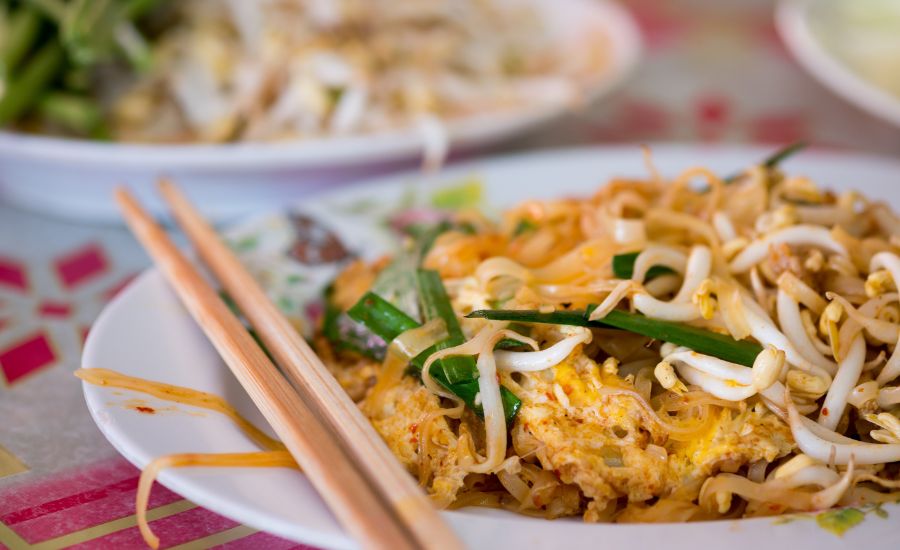
A plate of Pad Mee Korat, a traditional local stir-fried noodle dish
For a more local experience, look for the dish at a traditional restaurant or market rather than choosing only restaurants in tourist areas.
Isan Sausages and Grilled Meat
Grilled meat and Isan-style sausages are common at local markets and evening food stalls. They are usually eaten with sticky rice, fresh vegetables or spicy dipping sauces.
Try several small portions if you want to explore different flavours during one meal. Evening markets are particularly convenient for sampling these dishes alongside other local snacks.
What Should You Know Before Visiting Korat?
- Plan by area: Korat is a large province, so avoid combining the city, Phimai and Khao Yai in one rushed day.
- Allow 2–3 days: This gives enough time for the historic centre, Phimai and a nature-focused day.
- Start early: Morning is the most comfortable time for outdoor sightseeing, particularly during the hot season.
- Dress appropriately: Wear clothing that covers the shoulders and knees when entering temples.
- Prepare for walking: Comfortable shoes, sunscreen, drinking water and a hat are useful.
- Pack for rain: A lightweight rain jacket is recommended from May to October.
- Check entrance fees: Fees can change, particularly for special events. Check official information shortly before visiting.
FAQs About Korat
Is Korat worth visiting from Bangkok for one night?
A one-night stop can work if you mainly want to see Korat city and its historic centre. However, adding both Phimai and Khao Yai would make the itinerary rushed. If those two places are priorities, two to three days gives you more time to travel between them without spending most of the trip on the road.
Can you visit Korat without renting a car?
Yes, if you are staying mainly in the city centre. Trains and buses connect Korat with Bangkok, and local transport can be used around the city. A car or private transfer becomes more useful for visiting Phimai and Khao Yai, where attractions are spread over a wider area.
Can you visit Phimai and Khao Yai in one day?
It is possible in theory, but it is not a comfortable way to see both. Phimai is around 60 kilometres northeast of central Korat, while Khao Yai is reached via the Pak Chong area in a different direction. Visiting both in one day means spending a significant part of the day travelling, leaving less time for the sites themselves.
How many days should you spend in Korat?
Two to three days is a practical starting point. This allows time for the historic centre, a half-day or day trip to Phimai and a separate day for Khao Yai. If you only want to explore Korat city, a shorter stay is enough.
Conclusion
Korat brings together the history of Nakhon Ratchasima, Khmer heritage at Phimai, distinctive Isan food and the natural landscapes of Khao Yai. Spending 2–3 days in Korat allows enough time to explore these different sides without rushing between attractions.
For travellers planning a wider Thailand journey, Thai Unika can help arrange Korat as part of an itinerary through northeastern Thailand, combining cultural sites, local experiences and time in nature.